
Visceral Fat: Why This Hidden Belly Fat Impacts Your Metabolism, Hormones, and Liver Health
- Brooke Erickson, MS, CN

- Jul 7, 2025
- 2 min read
Updated: Nov 18, 2025

Visceral fat isn’t just about how you look—it’s about how your body functions.⠀
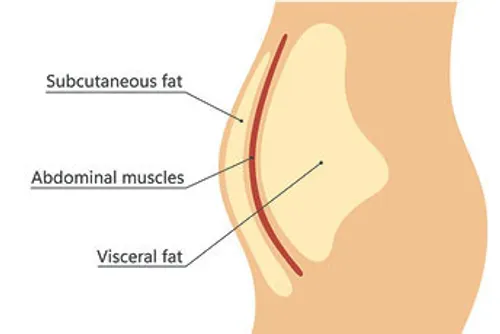
This type of fat lives deep in your abdomen, wrapped tightly around your organs. While it’s silent, it’s far from harmless. Visceral fat drives inflammation, insulin resistance, hormonal imbalances, and energy crashes, and is strongly linked to higher risk of cardiometabolic and neurodegenerative diseases.
Visceral Fat vs. Subcutaneous Fat
Unlike subcutaneous fat (the soft, pinchable fat under the skin), visceral fat is metabolically active. It releases inflammatory cytokines that disrupt:
metabolism
blood sugar regulation
digestion
mood and neurotransmitter balance
This inflammatory activity is one of the biggest reasons visceral fat contributes to chronic disease and metabolic dysfunction.
Visceral Fat and Non-Alcoholic Fatty Liver Disease (NAFLD)
Research shows that visceral fat is a powerful predictor of non-alcoholic fatty liver disease (NAFLD).
NAFLD prevalence increased from 25% in 2006 to 38% in 2019 globally.
Forecasted prevalence by 2040 is 55.7%.
And here’s the surprising part: NAFLD isn’t limited to people who are overweight.
Up to 40% of NAFLD patients are not obese, and around 20% are considered “lean NAFLD.”
Lean NAFLD (also called non-obese NAFLD) is especially common in Asian and Asian-American populations due to differences in fat distribution and metabolic sensitivity.
In other words:
You can appear thin and still have visceral fat and fatty liver.
What Causes Visceral Fat?
Several lifestyle and metabolic factors contribute to excess visceral fat, including:
Poor diet (high sugar, refined carbs, processed foods, overeating)
Excessive alcohol, especially beer and sugary cocktails
Sedentary lifestyle / low movement
Circadian rhythm disruption
Chronic stress + elevated cortisol
These factors signal your body to store fat deeper in the abdomen and around the organs.
How to Know If You Have Too Much Visceral Fat
The most accurate assessments for visceral fat are imaging tests like CT scans or MRI, but several validated at-home and in-clinic tools can help you estimate your risk.
1. Waist Circumference
Use a soft tape measure around your natural waist (at the belly button).
Women: > 35 inches
Men: > 40 inches
These numbers correlate with increased visceral fat and metabolic dysfunction.
2. Waist-to-Hip Ratio
Measure your natural waist and the widest part of your hips, then divide waist ÷ hips.
Women: > 0.85
Men: > 0.95
Higher ratios = higher visceral fat and cardiometabolic risk.
3. InBody Scan (Model 570 or higher)
A Bioelectrical Impedance Analysis (BIA) machine can measure:
visceral fat
overall body fat
lean mass
cellular hydration
basal metabolic rate (BMR)
These scans are widely available and extremely helpful for tracking metabolic health improvements over time. You can find a testing location near you on the InBody website.
How to reduce visceral fat
You cannot spot-reduce fat, but you can target the root causes that contribute to visceral fat accumulation.
The most effective strategies include:
Nutrition
Strength training + HIIT
Daily movement
Restoring circadian rhythm alignment
Reducing chronic stress
Supporting mitochondrial and cellular health
Optimizing circadian rhythm may be one of the fastest and most impactful ways to lower cortisol, balance metabolism, and reduce visceral fat over time.
Resources:


